Merry Winemas Vector
As a designer and embroidery product reviewer, I often find myself evaluating new designs with a critical eye, considering how they’ll perform in real-world projects. The Merry Winemas Vector caught my attention not just for its festive appeal, but for its versatility across multiple mediums. Whether you're an Etsy seller, a small business owner, or a hobbyist, this design offers potential—but it’s important to understand its strengths and limitations before committing to a project.
First Impressions: A Festive Design with Practical Potential
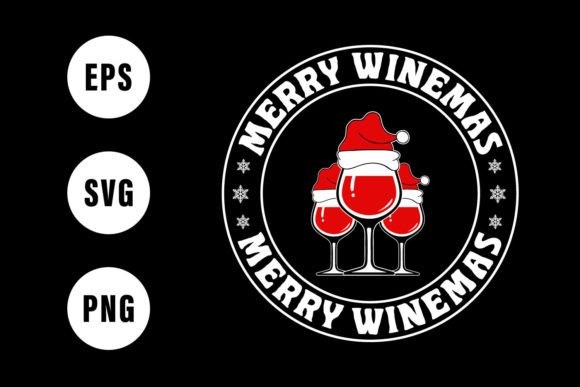
The Merry Winemas Vector immediately evokes a cozy, holiday vibe. The composition is clean and well-balanced, featuring a central motif that feels both classic and modern. The layout suggests it could work on a variety of items—t-shirts, mugs, pillows, and more. Its visual personality leans toward traditional Christmas themes, making it ideal for handmade products, personalized gifts, and seasonal marketing materials.
The detail level is moderate, which means it won’t overwhelm smaller hoop sizes or delicate fabrics. However, it also doesn’t have the intricate complexity that might appeal to those looking for highly detailed designs. For most practical embroidery projects, this is a good middle ground—enough visual interest without being overly demanding.
Real-World Use: Where It Shines and Where It Needs Care
I tested the Merry Winemas Vector on a custom tote bag design, which is a common project for craft businesses and Etsy sellers. The design translated well onto cotton canvas, with clear lines and a smooth satin stitch. It looked great on light-colored fabric, but I noticed that the contrast dropped significantly on darker backgrounds. If you’re planning to use it on black or dark gray garments, you may need to adjust thread colors accordingly.
For custom apparel like sweatshirts or t-shirts, the design works well as a front piece. However, if you're planning to use it on curved surfaces like caps or baby onesies, you’ll need to pay close attention to the hoop size and stabilizer. The design isn’t too dense, so it should handle stretchy or thin fabrics without too much difficulty, but testing on scrap fabric first is always a smart move.
One area where the design requires caution is in tight spaces. The corners and edges are relatively simple, but if you're using it for an embroidered patch or a small applique design, you might want to review the file for any sharp details that could be problematic during stitching.
Design Performance: Clarity, Value, and Customer Appeal
When it comes to visual appeal, the Merry Winemas Vector delivers a polished look that can elevate a handmade product or a commercial item. It’s a strong choice for holiday-themed merchandise, especially when paired with warm, inviting thread colors. The design’s simplicity makes it easy to incorporate into a brand’s aesthetic, helping maintain consistency across different product lines.
From a customer perspective, this design has high giftability. People love personalized items, and a festive, well-executed embroidery can make a meaningful statement. Whether it's a holiday sweater, a baby onesie, or a kitchen towel, the design adds a touch of warmth and tradition that many buyers will appreciate.
However, the design’s performance depends heavily on how it’s executed. If the stitch density is too low, it might appear flat or unprofessional. On the other hand, if it’s too dense, it could cause puckering or fabric distortion. Finding the right balance is key, especially for commercial embroidery projects where quality matters.
Practical Designer Notes: What to Check Before Using
Before finalizing any project with the Merry Winemas Vector, here are a few things I recommend checking:
- Test on scrap fabric: Always do a trial run to see how the design looks and behaves on your intended material.
- Review thread color contrast: Ensure the colors you choose stand out against the fabric, especially on dark backgrounds.
- Check stitch density: Adjust the settings to avoid over-stitching or under-stitching, depending on the fabric type.
- Confirm hoop size: Make sure the design fits within your machine’s hoop dimensions, especially for larger pieces.
- Inspect small details: Look closely at corners and fine lines to ensure they’ll hold up during stitching.
- Use proper stabilizer: This helps prevent puckering and ensures a clean finish, especially on stretchy or thin fabrics.
If you’re planning to sell finished products or digital files, double-check the licensing terms. While the design seems suitable for personal and commercial use, it’s always best to confirm before moving forward.
Best Fit: When to Use and When to Avoid
The Merry Winemas Vector is a solid choice for a wide range of projects. It works well on custom apparel, tote bags, and holiday gifts. For craft businesses, it’s a reliable addition to your design library, especially during the winter season. It also has potential as a printable mockup or digital product preview, offering flexibility for designers who create content for clients or online stores.
That said, there are scenarios where it might not be the best fit. If you're working with small hoop sizes, textured fabrics, or very thin materials, you may encounter challenges. Similarly, if your project involves frequent washing or heavy use, you’ll want to ensure the design is durable enough to withstand the wear and tear.
Final Thoughts: A Versatile, Festive Design Worth Considering
Overall, the Merry Winemas Vector is a practical and appealing design that can serve a variety of embroidery projects. Its clean layout, moderate detail, and festive theme make it a valuable asset for anyone involved in crafts, handmade products, or commercial embroidery. With proper preparation and attention to detail, it can enhance the quality and appeal of your finished products.
Whether you're an Etsy seller looking for fresh ideas, a small shop owner expanding your inventory, or a hobbyist creating personalized gifts, this design has the potential to add value to your work. Just remember to test it thoroughly and consider the specific requirements of your project before moving forward.