Free It s Okay to Not Be Okay Retro
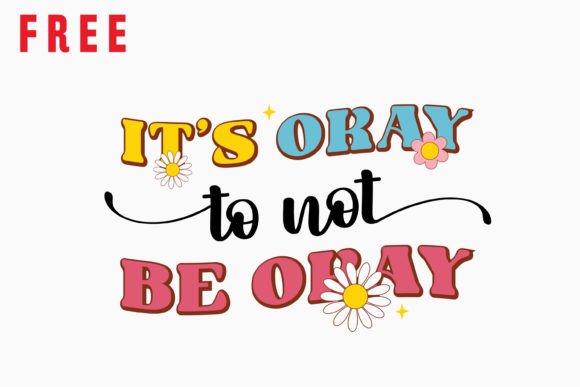
As a designer and embroidery product reviewer, I’ve seen my fair share of digital files that promise the world but deliver little in real use. Free It s Okay to Not Be Okay Retro is one that stands out for its simplicity and emotional resonance. The design is a retro-style mental health quote that feels both nostalgic and modern. Its clean lines and bold typography make it ideal for a range of projects, from custom apparel to home decor.
The First Impression: Mood and Visual Personality
When I first opened the file, I was struck by how the design balances minimalism with meaningful messaging. The retro aesthetic gives it a vintage charm, while the clarity of the text ensures it remains readable and impactful. The layout is straightforward, making it easy to adapt to different mediums without losing its essence. This makes it perfect for embroidery projects where the message needs to be clear and visually appealing.
The design’s theme is centered around mental health awareness, which is a powerful statement. It can be used in a variety of settings—personal, commercial, or as a gift. Its visual personality leans toward comfort and understanding, making it a great fit for items like tote bags, sweatshirts, or baby onesies.
Real-Life Embroidery Use Cases
I tested Free It s Okay to Not Be Okay Retro on a few different fabrics and found it performs well across a range of materials. For custom apparel, it works best on light-colored cotton t-shirts and sweatshirts. The design’s simplicity allows it to stand out without overwhelming the garment. On a tote bag, it adds a personal touch that’s both stylish and meaningful.
For baby items, the design is subtle enough to be appropriate but still carries a strong message. It could work well on a onesie or a blanket, especially if the parent wants to express support for mental health in a gentle way. On a patch, the design holds up well, though I’d recommend using a stabilizer to prevent puckering on stretchy or thin fabrics.
When used on caps or hats, the design adapts well, but care must be taken with the hoop size and stitch density. The corners of the letters are slightly sharp, so a larger hoop might be necessary to ensure even stitching. For embroidered patches, the design works best when applied to a backing fabric, which helps maintain its shape and detail.
Where to Use With Caution
While Free It s Okay to Not Be Okay Retro is versatile, there are some situations where it may not perform as well. On small hoop sizes, the design can become too tight, leading to distorted stitches. If you're working on a curved surface like a cap, you’ll need to adjust the hoop placement carefully to avoid misalignment.
On dark fabrics, the design may not show up as clearly unless the thread color is chosen carefully. Thin or stretchy fabrics also require extra attention, as they can cause the stitches to pucker or distort. In such cases, using a good quality stabilizer is essential to keep the design looking clean and professional.
For products that will be washed frequently, like tea towels or aprons, the design should be tested for durability. While the file is 300dpi, which is suitable for printing, the actual embroidery may need reinforcement to withstand repeated washes.
Impact on Visual Appeal and Customer Perception
Free It s Okay to Not Be Okay Retro has a strong visual appeal that can elevate any project. Its clean design makes it easy to incorporate into a variety of products, from handmade gifts to commercial merchandise. When stitched properly, it adds a level of sophistication that customers appreciate, especially in the handmade and craft markets.
From a customer perspective, the design speaks to a growing demand for meaningful and thoughtful products. It can be a conversation starter, which is valuable for Etsy sellers or small shop owners looking to build brand identity. The ability to change colors easily also adds flexibility, allowing users to match the design to different themes or occasions.
For commercial embroidery projects, the design is a solid choice, provided the user follows proper stitching techniques. It can be used in bulk for promotional items, holiday gifts, or boutique branding. However, it’s important to confirm licensing terms before selling finished items or digital products.
Practical Designer Notes
Before using any embroidery file, I always recommend testing it on scrap fabric. This helps identify any potential issues with stitch density, thread contrast, or fabric compatibility. For Free It s Okay to Not Be Okay Retro, I suggest checking how it looks in black and white mockups to ensure the details remain visible.
Reviewing the stitch density is also crucial. If the design is too dense, it can cause the fabric to stiffen or the stitches to bunch. A lighter density may be better for stretchy or delicate materials. Confirming the correct hoop size is another step that shouldn’t be overlooked, especially for complex designs.
For those using the design in a commercial setting, it’s important to verify the licensing terms. While the file includes EPS and SVG formats, the exact usage rights aren’t specified, so it’s best to reach out to the seller for clarification. This is especially important if you plan to sell finished products or digital downloads.
Final Thoughts
Free It s Okay to Not Be Okay Retro is a well-designed file that offers practical value for a wide range of embroidery projects. Its retro style and meaningful message make it a standout choice for custom apparel, personalized gifts, and small business merchandise. With proper handling and attention to detail, it can be a reliable addition to any designer’s toolkit.